Buy electric-art.eu ?
We are moving the project
electric-art.eu .
Are you interested in purchasing the domain
electric-art.eu ?
domain@kv-gmbh.de · 0541-91531010
Buy electric-art.eu ?
What is the angle of refraction in the refraction of light?
The angle of refraction in the refraction of light is the angle between the refracted ray and the normal to the surface at the point of incidence. It is determined by Snell's Law, which states that the ratio of the sine of the angle of incidence to the sine of the angle of refraction is equal to the ratio of the velocities of light in the two media. The angle of refraction can be calculated using the formula: n1*sin(θ1) = n2*sin(θ2), where n1 and n2 are the refractive indices of the two media, and θ1 and θ2 are the angles of incidence and refraction, respectively. **
How does the refraction of light occur?
Refraction of light occurs when light travels from one medium to another with a different optical density, causing the light rays to change direction. This change in direction is due to the difference in speed of light in the two mediums. As light enters a medium with a different optical density, it can either speed up or slow down, causing the light rays to bend. This bending of light is what we observe as refraction. **
Similar search terms for York-Wallcoverings-Blue-Refraction
Top-Angebote
Products related to York-Wallcoverings-Blue-Refraction:
-
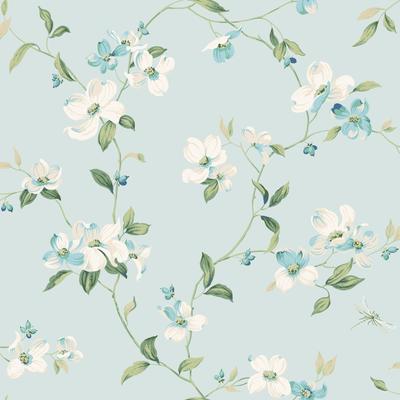
York Wallcoverings Ballongerna Light Blue WallpaperEmbark on a journey through the stars with this hot air balloon design. The whimsical wallpaper features the illustrated adventures of birds exploring the endless skies, pausing only to take naps in the hot air balloon baskets.144,50 $*Shipping: 0,00 $Secure redirect to the provider
-
York Wallcoverings Stjarnhimmel Light Blue WallpaperStare up at the stars to your heart's content with this illustrative night sky wallpaper. The heavens seem to swirl and dance, with shooting stars streaking across the sparkling horizon. Pictured here in pale sage and white with subtle metallic...144,50 $*Shipping: 0,00 $Secure redirect to the provider
-
York Wallcoverings Havet Light Blue WallpaperEnjoy a car ride along cobblestone roads through the most charming town! The illustrative design features a variety of cars driving through quaint neighborhoods, each home sporting a unique garden and unexpected surprises.144,50 $*Shipping: 0,00 $Secure redirect to the provider


-
How can one construct refraction of light?
One can construct refraction of light by passing light through a medium with a different optical density, such as air to water or glass. The change in optical density causes the light to change speed and bend as it enters the new medium, resulting in refraction. The angle of refraction can be calculated using Snell's Law, which relates the angles of incidence and refraction to the refractive indices of the two mediums. By understanding and manipulating these principles, one can effectively construct and demonstrate refraction of light. **
-
How does light refraction work in physics?
Light refraction occurs when light travels from one medium to another, such as from air to water or from air to glass. When light enters a new medium, its speed changes, causing it to bend. This bending of light is due to the change in the light's velocity and the change in its wavelength as it moves from one medium to another. The amount of bending depends on the difference in the optical density of the two mediums, as described by Snell's Law. This phenomenon is what causes objects to appear bent or distorted when viewed through different mediums. **
-
How is the refraction of light calculated?
The refraction of light is calculated using Snell's Law, which states that the ratio of the sine of the angle of incidence to the sine of the angle of refraction is equal to the ratio of the velocities of light in the two different mediums. This can be expressed as n1*sin(theta1) = n2*sin(theta2), where n1 and n2 are the refractive indices of the two mediums, and theta1 and theta2 are the angles of incidence and refraction, respectively. By knowing the refractive indices of the two mediums and the angle of incidence, one can calculate the angle of refraction using Snell's Law. **
-
What phenomena create light beams through refraction of light?
Light beams are created through the refraction of light when light passes through a medium with a different optical density, causing the light to change direction. This phenomenon occurs when light travels from one medium to another, such as from air to water or from air to glass. The bending of light rays as they pass through the boundary between the two mediums creates the appearance of a beam of light. **
How do you mix neon and light blue?
To mix neon and light blue, you can create a vibrant and eye-catching color palette by pairing the two colors together in a balanced way. One way to mix neon and light blue is to use neon accents against a light blue background to create a pop of color. You can also combine neon and light blue in a gradient effect, transitioning from one color to the other seamlessly. Experimenting with different shades and tones of neon and light blue can help you achieve a harmonious and visually appealing mix of the two colors. **
How do you calculate the refraction of light?
The refraction of light can be calculated using Snell's Law, which states that the ratio of the sines of the angles of incidence and refraction is equal to the ratio of the velocities of light in the two media. This can be expressed as n1*sin(θ1) = n2*sin(θ2), where n1 and n2 are the refractive indices of the two media, and θ1 and θ2 are the angles of incidence and refraction, respectively. By knowing the refractive indices of the two media and the angle of incidence, one can calculate the angle of refraction using Snell's Law. **
Top-Angebote
Products related to York-Wallcoverings-Blue-Refraction:
-
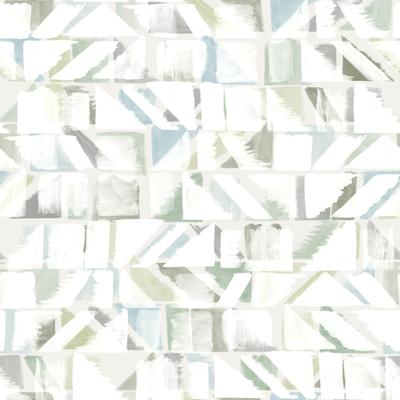
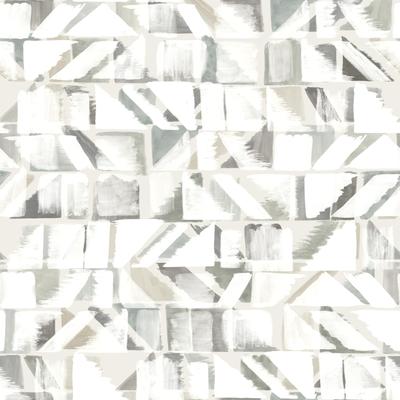
York Wallcoverings Blue Refraction Peel and Stick WallpaperPattern Refraction is a fractured geometric with the effect of a broken prism of reflected light. This Refraction Peel & Stick Wallpaper measures approximately 20.5 inches wide by 20 feet long, covering About 34.2 square feet per roll.47,07 $*Shipping: 0,00 $Secure redirect to the provider
-
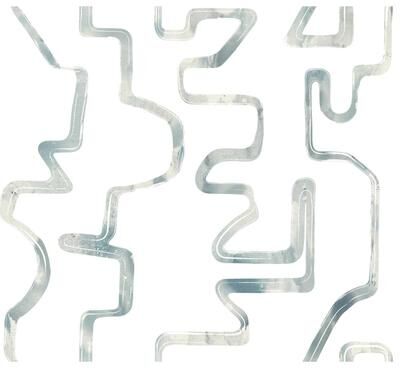
York Wallcoverings Abstract Aura Blue Smoke WallpaperAbstract Aura's free-flowing lines hold hidden depth with marbled blue and light grey watercolor detailing. This Abstract Aura Wallpaper measures approximately 27 inches wide by 27 feet long, measuring approximately 60.8 square feet per roll.127,50 $*Shipping: 0,00 $Secure redirect to the provider
-
York Wallcoverings Ballongerna Light Blue WallpaperEmbark on a journey through the stars with this hot air balloon design. The whimsical wallpaper features the illustrated adventures of birds exploring the endless skies, pausing only to take naps in the hot air balloon baskets.144,50 $*Shipping: 0,00 $Secure redirect to the provider
-
What is the angle of refraction in the refraction of light?
The angle of refraction in the refraction of light is the angle between the refracted ray and the normal to the surface at the point of incidence. It is determined by Snell's Law, which states that the ratio of the sine of the angle of incidence to the sine of the angle of refraction is equal to the ratio of the velocities of light in the two media. The angle of refraction can be calculated using the formula: n1*sin(θ1) = n2*sin(θ2), where n1 and n2 are the refractive indices of the two media, and θ1 and θ2 are the angles of incidence and refraction, respectively. **
-
How does the refraction of light occur?
Refraction of light occurs when light travels from one medium to another with a different optical density, causing the light rays to change direction. This change in direction is due to the difference in speed of light in the two mediums. As light enters a medium with a different optical density, it can either speed up or slow down, causing the light rays to bend. This bending of light is what we observe as refraction. **
-
How can one construct refraction of light?
One can construct refraction of light by passing light through a medium with a different optical density, such as air to water or glass. The change in optical density causes the light to change speed and bend as it enters the new medium, resulting in refraction. The angle of refraction can be calculated using Snell's Law, which relates the angles of incidence and refraction to the refractive indices of the two mediums. By understanding and manipulating these principles, one can effectively construct and demonstrate refraction of light. **
-
How does light refraction work in physics?
Light refraction occurs when light travels from one medium to another, such as from air to water or from air to glass. When light enters a new medium, its speed changes, causing it to bend. This bending of light is due to the change in the light's velocity and the change in its wavelength as it moves from one medium to another. The amount of bending depends on the difference in the optical density of the two mediums, as described by Snell's Law. This phenomenon is what causes objects to appear bent or distorted when viewed through different mediums. **
Similar search terms for York-Wallcoverings-Blue-Refraction
-
York Wallcoverings Stjarnhimmel Light Blue WallpaperStare up at the stars to your heart's content with this illustrative night sky wallpaper. The heavens seem to swirl and dance, with shooting stars streaking across the sparkling horizon. Pictured here in pale sage and white with subtle metallic...144,50 $*Shipping: 0,00 $Secure redirect to the provider
-
York Wallcoverings Havet Light Blue WallpaperEnjoy a car ride along cobblestone roads through the most charming town! The illustrative design features a variety of cars driving through quaint neighborhoods, each home sporting a unique garden and unexpected surprises.144,50 $*Shipping: 0,00 $Secure redirect to the provider
-
York Wallcoverings Neutral Refraction Peel and Stick WallpaperPattern Refraction is a fractured geometric with the effect of a broken prism of reflected light. This Refraction Peel & Stick Wallpaper measures approximately 20.5 inches wide by 20 feet long, covering About 34.2 square feet per roll.55,25 $*Shipping: 0,00 $Secure redirect to the provider
-
How is the refraction of light calculated?
The refraction of light is calculated using Snell's Law, which states that the ratio of the sine of the angle of incidence to the sine of the angle of refraction is equal to the ratio of the velocities of light in the two different mediums. This can be expressed as n1*sin(theta1) = n2*sin(theta2), where n1 and n2 are the refractive indices of the two mediums, and theta1 and theta2 are the angles of incidence and refraction, respectively. By knowing the refractive indices of the two mediums and the angle of incidence, one can calculate the angle of refraction using Snell's Law. **
-
What phenomena create light beams through refraction of light?
Light beams are created through the refraction of light when light passes through a medium with a different optical density, causing the light to change direction. This phenomenon occurs when light travels from one medium to another, such as from air to water or from air to glass. The bending of light rays as they pass through the boundary between the two mediums creates the appearance of a beam of light. **
-
How do you mix neon and light blue?
To mix neon and light blue, you can create a vibrant and eye-catching color palette by pairing the two colors together in a balanced way. One way to mix neon and light blue is to use neon accents against a light blue background to create a pop of color. You can also combine neon and light blue in a gradient effect, transitioning from one color to the other seamlessly. Experimenting with different shades and tones of neon and light blue can help you achieve a harmonious and visually appealing mix of the two colors. **
-
How do you calculate the refraction of light?
The refraction of light can be calculated using Snell's Law, which states that the ratio of the sines of the angles of incidence and refraction is equal to the ratio of the velocities of light in the two media. This can be expressed as n1*sin(θ1) = n2*sin(θ2), where n1 and n2 are the refractive indices of the two media, and θ1 and θ2 are the angles of incidence and refraction, respectively. By knowing the refractive indices of the two media and the angle of incidence, one can calculate the angle of refraction using Snell's Law. **
* All prices are inclusive of VAT and, if applicable, plus shipping costs. The offer information is based on the details provided by the respective shop and is updated through automated processes. Real-time updates do not occur, so deviations can occur in individual cases. ** Note: Parts of this content were created by AI.