Buy electric-art.eu ?
We are moving the project
electric-art.eu .
Are you interested in purchasing the domain
electric-art.eu ?
domain@kv-gmbh.de · 0541-91531010
Buy electric-art.eu ?
How do I calculate the angle of incidence?
To calculate the angle of incidence, you need to know the angle at which a ray of light or other electromagnetic wave strikes a surface. This angle is measured between the incident ray and the normal (perpendicular line) to the surface at the point of incidence. You can calculate the angle of incidence using the formula: angle of incidence = angle between incident ray and normal. This angle is typically measured in degrees. **
How can the angle of incidence be calculated?
The angle of incidence can be calculated using the formula: angle of incidence = arctan(opposite/adjacent). This formula involves using the arctan function to find the angle whose tangent is equal to the ratio of the length of the side opposite the angle to the length of the side adjacent to the angle. This can be done using a scientific calculator or by using trigonometric tables. Alternatively, if the lengths of the sides of the triangle are known, the angle of incidence can be calculated using the inverse trigonometric functions such as arcsin, arccos, or arctan. **


Similar search terms for Incidence
Top-Angebote
Products related to Incidence:
-
Uplift Essentials Automatic Lifting Cat Toy Ball Interactive Electric Cat Toy With Smart Motion Sensor Replaceable Ball Automatic Lifting Cat Toy Ball Interactive Electric Cat Toy With Smart Motion Sensor Replaceable BallKeep your feline friend entertained all day with the Automatic Lifting Cat Toy Ball, the smart way to stimulate your cats hunting instincts and relieve boredom. Designed for independent play, this interactive electric toy clips onto desks, shelves,...41,97 $*Shipping: 0,00 $Secure redirect to the provider
-
Inspired Finds Interactive Electric Lifting Ball Cat Toy With Automatic Retractable Motion replace BallKeep your feline entertained with a smart and engaging interactive cat toy designed to stimulate natural hunting instincts. This innovative automatic cat ball toy features rotating movement and an automatic retractable teasing mechanism that creates...34,99 $*Shipping: 0,00 $Secure redirect to the provider
-
Uplift Picks Musical Dancing Duck Toy Electric Light Up Interactive Baby Toy Musical Dancing Duck Toy Electric Light Up Interactive Baby ToyBring smiles, movement, and music into playtime with this musical duck toy designed to entertain and engage young children. This electric interactive toy lights up, plays cheerful sounds, and dances to capture attention and encourage active play....88,00 $*Shipping: 0,00 $Secure redirect to the provider
-
Uplifted Finds Solar Pendant Light With Motion Sensor LED Digital Display single HeadIlluminate your outdoor or indoor spaces with this versatile solar pendant light featuring a builtin motion sensor, LED display, and remote control functionality. Designed for barn, garage, shed, or patio use, it works day or night and offers...760,97 $*Shipping: 0,00 $Secure redirect to the provider




-
At what incidence rate do the schools close?
The schools close when the incidence rate of COVID-19 in the community reaches a certain threshold, which is determined by local health authorities and government regulations. This threshold can vary depending on the region and the specific guidelines in place. Generally, schools may close when the incidence rate rises to a level that is considered to pose a significant risk to the health and safety of students, staff, and the community. It is important for schools to closely monitor the incidence rate and follow the guidance of public health officials to make informed decisions about when to close. **
-
How do you calculate the angle of incidence?
The angle of incidence is calculated by measuring the angle between the incident ray (the incoming light ray) and the normal (a line perpendicular to the surface at the point of incidence). This angle is typically measured in degrees using a protractor or other measuring tool. The angle of incidence is an important parameter in understanding how light interacts with surfaces, such as in the laws of reflection and refraction. **
-
What is the angle of incidence of the sun?
The angle of incidence of the sun refers to the angle at which sunlight strikes the Earth's surface. This angle varies depending on the time of day, location, and season. At solar noon, when the sun is at its highest point in the sky, the angle of incidence is 90 degrees, resulting in the most direct and intense sunlight. As the sun moves lower in the sky during sunrise and sunset, the angle of incidence decreases, leading to longer shadows and less intense sunlight. **
-
What is the relationship between temperatures and angle of incidence?
The relationship between temperatures and angle of incidence is that temperatures tend to be higher when the angle of incidence is more direct. This is because when sunlight hits the Earth's surface at a steeper angle, the energy is concentrated over a smaller area, leading to higher temperatures. On the other hand, when sunlight hits at a more shallow angle, the energy is spread out over a larger area, resulting in lower temperatures. Therefore, the angle of incidence plays a significant role in determining the temperature of a particular location. **
What is the angle of incidence of the sun's rays?
The angle of incidence of the sun's rays is the angle at which the sun's rays strike a surface. It is measured as the angle between the incoming rays of sunlight and a line perpendicular to the surface. The angle of incidence affects the amount of solar energy that is absorbed by the surface, with a higher angle of incidence resulting in more energy being absorbed. This angle changes throughout the day as the position of the sun in the sky changes. **
What does the angle of incidence of the sun mean?
The angle of incidence of the sun refers to the angle at which the sun's rays strike a surface. This angle is measured between the incoming sunlight and a line perpendicular to the surface. The angle of incidence affects the intensity of the sunlight and the amount of energy that is absorbed by the surface. A higher angle of incidence results in more concentrated sunlight, while a lower angle of incidence spreads the sunlight over a larger area. This concept is important in various fields, including solar energy, architecture, and photography. **
Top-Angebote
Products related to Incidence:
-
Inspire Essentials GlowPounce Interactive Motion Light Ball For Cats GlowPounce Interactive Motion Light Ball For CatsTurn ordinary playtime into an exciting chase your cat will love with this interactive cat toy designed to keep pets active and entertained. The motion activated flashing lights instantly grab your cats attention, encouraging natural hunting,...34,98 $*Shipping: 0,00 $Secure redirect to the provider
-
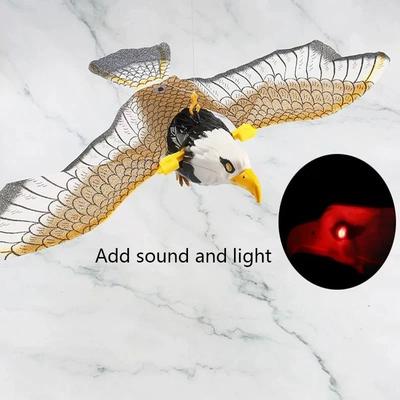
Inspired Finds Interactive Electric Flying Bird Cat Toy With Realistic Flapping Motion eagleBring the excitement of the outdoors inside with this engaging interactive cat toy designed to stimulate your cat's natural hunting instincts. Featuring a realistic flying bird design with flapping wings and lifelike movement, this toy captures your...34,99 $*Shipping: 0,00 $Secure redirect to the provider
-
Uplift Essentials Automatic Lifting Cat Toy Ball Interactive Electric Cat Toy With Smart Motion Sensor Replaceable Ball Automatic Lifting Cat Toy Ball Interactive Electric Cat Toy With Smart Motion Sensor Replaceable BallKeep your feline friend entertained all day with the Automatic Lifting Cat Toy Ball, the smart way to stimulate your cats hunting instincts and relieve boredom. Designed for independent play, this interactive electric toy clips onto desks, shelves,...41,97 $*Shipping: 0,00 $Secure redirect to the provider
-
Inspired Finds Interactive Electric Lifting Ball Cat Toy With Automatic Retractable Motion replace BallKeep your feline entertained with a smart and engaging interactive cat toy designed to stimulate natural hunting instincts. This innovative automatic cat ball toy features rotating movement and an automatic retractable teasing mechanism that creates...34,99 $*Shipping: 0,00 $Secure redirect to the provider
-
How do I calculate the angle of incidence?
To calculate the angle of incidence, you need to know the angle at which a ray of light or other electromagnetic wave strikes a surface. This angle is measured between the incident ray and the normal (perpendicular line) to the surface at the point of incidence. You can calculate the angle of incidence using the formula: angle of incidence = angle between incident ray and normal. This angle is typically measured in degrees. **
-
How can the angle of incidence be calculated?
The angle of incidence can be calculated using the formula: angle of incidence = arctan(opposite/adjacent). This formula involves using the arctan function to find the angle whose tangent is equal to the ratio of the length of the side opposite the angle to the length of the side adjacent to the angle. This can be done using a scientific calculator or by using trigonometric tables. Alternatively, if the lengths of the sides of the triangle are known, the angle of incidence can be calculated using the inverse trigonometric functions such as arcsin, arccos, or arctan. **
-
At what incidence rate do the schools close?
The schools close when the incidence rate of COVID-19 in the community reaches a certain threshold, which is determined by local health authorities and government regulations. This threshold can vary depending on the region and the specific guidelines in place. Generally, schools may close when the incidence rate rises to a level that is considered to pose a significant risk to the health and safety of students, staff, and the community. It is important for schools to closely monitor the incidence rate and follow the guidance of public health officials to make informed decisions about when to close. **
-
How do you calculate the angle of incidence?
The angle of incidence is calculated by measuring the angle between the incident ray (the incoming light ray) and the normal (a line perpendicular to the surface at the point of incidence). This angle is typically measured in degrees using a protractor or other measuring tool. The angle of incidence is an important parameter in understanding how light interacts with surfaces, such as in the laws of reflection and refraction. **
Similar search terms for Incidence
-
Uplift Picks Musical Dancing Duck Toy Electric Light Up Interactive Baby Toy Musical Dancing Duck Toy Electric Light Up Interactive Baby ToyBring smiles, movement, and music into playtime with this musical duck toy designed to entertain and engage young children. This electric interactive toy lights up, plays cheerful sounds, and dances to capture attention and encourage active play....88,00 $*Shipping: 0,00 $Secure redirect to the provider
-
Uplifted Finds Solar Pendant Light With Motion Sensor LED Digital Display single HeadIlluminate your outdoor or indoor spaces with this versatile solar pendant light featuring a builtin motion sensor, LED display, and remote control functionality. Designed for barn, garage, shed, or patio use, it works day or night and offers...760,97 $*Shipping: 0,00 $Secure redirect to the provider
-
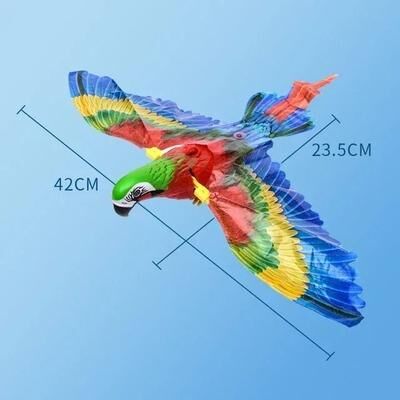
Inspired Finds Interactive Electric Flying Bird Cat Toy With Realistic Flapping Motion parrotBring the excitement of the outdoors inside with this engaging interactive cat toy designed to stimulate your cat's natural hunting instincts. Featuring a realistic flying bird design with flapping wings and lifelike movement, this toy captures your...34,99 $*Shipping: 0,00 $Secure redirect to the provider
-
Inspired Finds Interactive Electric Flying Bird Cat Toy With Realistic Flapping Motion eagle upgradedBring the excitement of the outdoors inside with this engaging interactive cat toy designed to stimulate your cat's natural hunting instincts. Featuring a realistic flying bird design with flapping wings and lifelike movement, this toy captures your...34,99 $*Shipping: 0,00 $Secure redirect to the provider
-
What is the angle of incidence of the sun?
The angle of incidence of the sun refers to the angle at which sunlight strikes the Earth's surface. This angle varies depending on the time of day, location, and season. At solar noon, when the sun is at its highest point in the sky, the angle of incidence is 90 degrees, resulting in the most direct and intense sunlight. As the sun moves lower in the sky during sunrise and sunset, the angle of incidence decreases, leading to longer shadows and less intense sunlight. **
-
What is the relationship between temperatures and angle of incidence?
The relationship between temperatures and angle of incidence is that temperatures tend to be higher when the angle of incidence is more direct. This is because when sunlight hits the Earth's surface at a steeper angle, the energy is concentrated over a smaller area, leading to higher temperatures. On the other hand, when sunlight hits at a more shallow angle, the energy is spread out over a larger area, resulting in lower temperatures. Therefore, the angle of incidence plays a significant role in determining the temperature of a particular location. **
-
What is the angle of incidence of the sun's rays?
The angle of incidence of the sun's rays is the angle at which the sun's rays strike a surface. It is measured as the angle between the incoming rays of sunlight and a line perpendicular to the surface. The angle of incidence affects the amount of solar energy that is absorbed by the surface, with a higher angle of incidence resulting in more energy being absorbed. This angle changes throughout the day as the position of the sun in the sky changes. **
-
What does the angle of incidence of the sun mean?
The angle of incidence of the sun refers to the angle at which the sun's rays strike a surface. This angle is measured between the incoming sunlight and a line perpendicular to the surface. The angle of incidence affects the intensity of the sunlight and the amount of energy that is absorbed by the surface. A higher angle of incidence results in more concentrated sunlight, while a lower angle of incidence spreads the sunlight over a larger area. This concept is important in various fields, including solar energy, architecture, and photography. **
* All prices are inclusive of VAT and, if applicable, plus shipping costs. The offer information is based on the details provided by the respective shop and is updated through automated processes. Real-time updates do not occur, so deviations can occur in individual cases. ** Note: Parts of this content were created by AI.