Buy electric-art.eu ?
We are moving the project
electric-art.eu .
Are you interested in purchasing the domain
electric-art.eu ?
domain@kv-gmbh.de · 0541-91531010
Buy electric-art.eu ?
What is the difference between angular velocity and linear velocity in circular motion?
Angular velocity is the rate of change of angular displacement with respect to time, measured in radians per second. It describes how quickly an object is rotating around a fixed point in a circular path. On the other hand, linear velocity is the rate of change of linear displacement with respect to time, measured in meters per second. It describes how quickly an object is moving along the circumference of the circular path. In circular motion, angular velocity and linear velocity are related by the equation v = ωr, where v is the linear velocity, ω is the angular velocity, and r is the radius of the circular path. **
How do I measure out 5 mg from 250 mg?
To measure out 5 mg from 250 mg, you can use a digital scale that measures in milligrams for accuracy. First, tare the scale to zero with the container you will be using to hold the 5 mg. Then, carefully pour the 250 mg into the container on the scale. Slowly remove the excess powder until the scale reads 5 mg. Be cautious and precise when measuring to ensure you have the correct amount. **
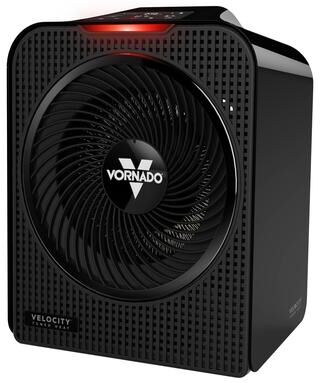
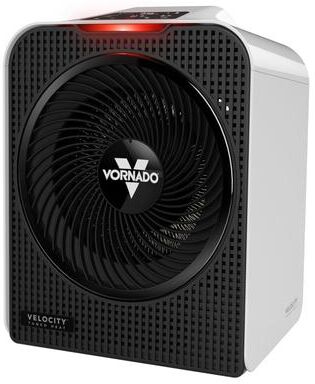
Similar search terms for Vornado-Velocity-5-250
Top-Angebote
Products related to Vornado-Velocity-5-250:
-
Vornado Velocity HD 200 sq ft Electric Personal Portable HeaterA new kind of workshop heater brings the velocity tuned heat experience to deliver warmth within chilly garage and workshop spaces. Direct the heat exactly where you're working with the 30 degree head tilt.96,99 $*Shipping: 0,00 $Secure redirect to the provider

-
What is the question about accelerated motion with initial velocity?
The question about accelerated motion with initial velocity typically involves finding the displacement, velocity, or time taken by an object undergoing acceleration from an initial velocity. It may also involve finding the final velocity or acceleration of the object. This type of question often requires the use of kinematic equations, such as the equations of motion, to solve for the unknown variables. It is important to consider the direction of the initial velocity and acceleration, as well as the sign conventions, when solving these types of problems. **
-
How do you calculate the velocity in uniformly accelerated motion?
To calculate the velocity in uniformly accelerated motion, you can use the equation v = u + at, where v is the final velocity, u is the initial velocity, a is the acceleration, and t is the time. This equation is derived from the definition of acceleration, which is the rate of change of velocity over time. By plugging in the values for initial velocity, acceleration, and time, you can solve for the final velocity. This equation assumes that the acceleration is constant over the given time period. **
-
Instead of 6 gears, the Husqvarna WR 250 only has 5 gears.
The Husqvarna WR 250 having only 5 gears instead of 6 may impact its overall performance and versatility. With one less gear, the bike may have a narrower range of speed and torque options, potentially affecting its ability to handle different types of terrain and riding conditions. Riders may need to adjust their riding style and gear shifting patterns to compensate for the missing gear. However, the bike may also benefit from simplified gear shifting and maintenance due to having one less gear. **
-
How are linear velocity, angular velocity, and frequency related?
Linear velocity, angular velocity, and frequency are all related through the equation v = ωr, where v is linear velocity, ω is angular velocity, and r is the radius of the rotating object. Angular velocity is the rate at which an object rotates around a fixed point, while linear velocity is the rate at which an object moves in a straight line. Frequency is the number of complete rotations or cycles per unit of time and is related to angular velocity by the equation f = ω/2π. Overall, these three quantities are interconnected and can be used to describe the motion of rotating objects. **
How do you calculate the release velocity in horizontal projectile motion?
To calculate the release velocity in horizontal projectile motion, you can use the formula: velocity = distance / time. First, determine the horizontal distance the object travels during its motion. Next, calculate the time it takes for the object to travel that distance. Finally, divide the distance by the time to find the release velocity of the object in horizontal projectile motion. **
What is the difference between instantaneous velocity and average velocity?
Instantaneous velocity refers to the velocity of an object at a specific moment in time, while average velocity is the total displacement of an object over a given time interval divided by the total time taken. Instantaneous velocity gives us information about the object's velocity at a particular instant, while average velocity provides an overall picture of the object's velocity over a period of time. In essence, instantaneous velocity is like looking at a snapshot of an object's motion, while average velocity is like looking at the entire video. **
Top-Angebote
Products related to Vornado-Velocity-5-250:
-
Vornado Velocity 5 Whole Room Space Heater with Auto Climate ControlINCREASED PERFORMANCE – The Velocity 5 heater features Velocity Tuned Heat technology, delivering hotter heat with superior efficiency. Its advanced aerodynamics push air further and faster, increasing warmth throughout your space.114,99 $*Shipping: 0,00 $Secure redirect to the provider
-
Vornado Velocity HD 200 sq ft Electric Personal Portable HeaterA new kind of workshop heater brings the velocity tuned heat experience to deliver warmth within chilly garage and workshop spaces. Direct the heat exactly where you're working with the 30 degree head tilt.96,99 $*Shipping: 0,00 $Secure redirect to the provider
-
What is the difference between angular velocity and linear velocity in circular motion?
Angular velocity is the rate of change of angular displacement with respect to time, measured in radians per second. It describes how quickly an object is rotating around a fixed point in a circular path. On the other hand, linear velocity is the rate of change of linear displacement with respect to time, measured in meters per second. It describes how quickly an object is moving along the circumference of the circular path. In circular motion, angular velocity and linear velocity are related by the equation v = ωr, where v is the linear velocity, ω is the angular velocity, and r is the radius of the circular path. **
-
How do I measure out 5 mg from 250 mg?
To measure out 5 mg from 250 mg, you can use a digital scale that measures in milligrams for accuracy. First, tare the scale to zero with the container you will be using to hold the 5 mg. Then, carefully pour the 250 mg into the container on the scale. Slowly remove the excess powder until the scale reads 5 mg. Be cautious and precise when measuring to ensure you have the correct amount. **
-
What is the question about accelerated motion with initial velocity?
The question about accelerated motion with initial velocity typically involves finding the displacement, velocity, or time taken by an object undergoing acceleration from an initial velocity. It may also involve finding the final velocity or acceleration of the object. This type of question often requires the use of kinematic equations, such as the equations of motion, to solve for the unknown variables. It is important to consider the direction of the initial velocity and acceleration, as well as the sign conventions, when solving these types of problems. **
-
How do you calculate the velocity in uniformly accelerated motion?
To calculate the velocity in uniformly accelerated motion, you can use the equation v = u + at, where v is the final velocity, u is the initial velocity, a is the acceleration, and t is the time. This equation is derived from the definition of acceleration, which is the rate of change of velocity over time. By plugging in the values for initial velocity, acceleration, and time, you can solve for the final velocity. This equation assumes that the acceleration is constant over the given time period. **
Similar search terms for Vornado-Velocity-5-250
-
Instead of 6 gears, the Husqvarna WR 250 only has 5 gears.
The Husqvarna WR 250 having only 5 gears instead of 6 may impact its overall performance and versatility. With one less gear, the bike may have a narrower range of speed and torque options, potentially affecting its ability to handle different types of terrain and riding conditions. Riders may need to adjust their riding style and gear shifting patterns to compensate for the missing gear. However, the bike may also benefit from simplified gear shifting and maintenance due to having one less gear. **
-
How are linear velocity, angular velocity, and frequency related?
Linear velocity, angular velocity, and frequency are all related through the equation v = ωr, where v is linear velocity, ω is angular velocity, and r is the radius of the rotating object. Angular velocity is the rate at which an object rotates around a fixed point, while linear velocity is the rate at which an object moves in a straight line. Frequency is the number of complete rotations or cycles per unit of time and is related to angular velocity by the equation f = ω/2π. Overall, these three quantities are interconnected and can be used to describe the motion of rotating objects. **
-
How do you calculate the release velocity in horizontal projectile motion?
To calculate the release velocity in horizontal projectile motion, you can use the formula: velocity = distance / time. First, determine the horizontal distance the object travels during its motion. Next, calculate the time it takes for the object to travel that distance. Finally, divide the distance by the time to find the release velocity of the object in horizontal projectile motion. **
-
What is the difference between instantaneous velocity and average velocity?
Instantaneous velocity refers to the velocity of an object at a specific moment in time, while average velocity is the total displacement of an object over a given time interval divided by the total time taken. Instantaneous velocity gives us information about the object's velocity at a particular instant, while average velocity provides an overall picture of the object's velocity over a period of time. In essence, instantaneous velocity is like looking at a snapshot of an object's motion, while average velocity is like looking at the entire video. **
* All prices are inclusive of VAT and, if applicable, plus shipping costs. The offer information is based on the details provided by the respective shop and is updated through automated processes. Real-time updates do not occur, so deviations can occur in individual cases. ** Note: Parts of this content were created by AI.