Buy electric-art.eu ?
We are moving the project
electric-art.eu .
Are you interested in purchasing the domain
electric-art.eu ?
domain@kv-gmbh.de · 0541-91531010
Buy electric-art.eu ?
What does polyphony mean in a digital piano?
Polyphony in a digital piano refers to the number of individual notes or voices that the instrument can produce simultaneously. For example, if a digital piano has a polyphony of 64, it means that it can play up to 64 notes at the same time. This is important for more complex pieces of music that require multiple notes to be played at once, as a higher polyphony allows for a richer and more realistic sound. It is especially important for advanced players and composers who need to create intricate and layered compositions. **
What is Dutch vocal polyphony?
Dutch vocal polyphony is a style of music that emerged in the Netherlands during the Renaissance period. It is characterized by the use of multiple independent vocal lines, each with its own melody, rhythm, and text, creating rich harmonies and intricate textures. Dutch composers such as Jan Pieterszoon Sweelinck were known for their contributions to this genre, which was popular in both sacred and secular settings. The use of vocal polyphony allowed for a high level of expressiveness and complexity in the music, making it a significant part of the Dutch musical tradition. **


Similar search terms for Polyphony
Top-Angebote
Products related to Polyphony:
-
Uplift Essentials Automatic Lifting Cat Toy Ball Interactive Electric Cat Toy With Smart Motion Sensor Replaceable Ball Automatic Lifting Cat Toy Ball Interactive Electric Cat Toy With Smart Motion Sensor Replaceable BallKeep your feline friend entertained all day with the Automatic Lifting Cat Toy Ball, the smart way to stimulate your cats hunting instincts and relieve boredom. Designed for independent play, this interactive electric toy clips onto desks, shelves,...41,97 $*Shipping: 0,00 $Secure redirect to the provider
-
Inspired Finds Interactive Electric Lifting Ball Cat Toy With Automatic Retractable Motion replace BallKeep your feline entertained with a smart and engaging interactive cat toy designed to stimulate natural hunting instincts. This innovative automatic cat ball toy features rotating movement and an automatic retractable teasing mechanism that creates...34,99 $*Shipping: 0,00 $Secure redirect to the provider
-
Uplift Picks Musical Dancing Duck Toy Electric Light Up Interactive Baby Toy Musical Dancing Duck Toy Electric Light Up Interactive Baby ToyBring smiles, movement, and music into playtime with this musical duck toy designed to entertain and engage young children. This electric interactive toy lights up, plays cheerful sounds, and dances to capture attention and encourage active play....88,00 $*Shipping: 0,00 $Secure redirect to the provider
-
Uplifted Finds Solar Pendant Light With Motion Sensor LED Digital Display single HeadIlluminate your outdoor or indoor spaces with this versatile solar pendant light featuring a builtin motion sensor, LED display, and remote control functionality. Designed for barn, garage, shed, or patio use, it works day or night and offers...760,97 $*Shipping: 0,00 $Secure redirect to the provider




-
Can someone explain polyphony to me?
Polyphony is a musical texture that features two or more independent melodic lines played or sung simultaneously. Each line has its own rhythm and contour, and they interact with each other to create a rich and complex sound. Polyphony is often associated with Renaissance and Baroque music, and it requires a high level of skill and coordination from the performers to maintain the independence of the different voices. This texture contrasts with homophony, where all voices move together in harmony, and monophony, where there is only one melodic line. **
-
Can you explain the history of early polyphony?
Early polyphony emerged in Western music during the medieval period, around the 9th century. It involved the simultaneous singing of two or more independent melodic lines. Initially, early polyphony was primarily found in sacred music, particularly in Gregorian chant. Over time, composers began to experiment with adding additional voices and creating more complex harmonies, leading to the development of intricate polyphonic compositions. This marked a significant shift from the monophonic music of the early Middle Ages and laid the foundation for the rich polyphonic textures of the Renaissance period. **
-
What is the difference between polyphony and homophony?
Polyphony is a musical texture where two or more independent melodic lines are played simultaneously. Each line has its own rhythm and melody, creating a complex and layered sound. Homophony, on the other hand, is a musical texture where all voices or instruments move together in harmony, supporting a single melody. In homophony, there is a clear distinction between the melody and the accompanying parts, creating a more unified and harmonious sound. **
-
What is the difference between homophony and polyphony?
Homophony is a musical texture in which a single melody is supported by a harmonic accompaniment, creating a clear distinction between the main melody and the supporting harmonies. Polyphony, on the other hand, is a musical texture in which two or more independent melodies are played or sung simultaneously, creating a more complex and layered sound. In homophony, all voices or instruments move together rhythmically, while in polyphony, each voice or instrument has its own rhythm and melodic independence. Overall, homophony emphasizes harmony and a clear main melody, while polyphony emphasizes the interplay of multiple independent melodies. **
What is the difference between polyphony and canon?
Polyphony refers to a musical texture where two or more independent melodic lines are played simultaneously. Each line has its own rhythm and melody, creating a rich and complex sound. On the other hand, a canon is a specific type of polyphonic composition where a melody is imitated by one or more voices at a fixed time interval. In a canon, the same melody is repeated by different voices, creating a layered and contrapuntal effect. While both polyphony and canon involve multiple independent voices, the key difference lies in the specific imitation of a melody in a canon. **
What is the difference between musical polyphony and counterpoint?
Musical polyphony refers to the simultaneous combination of two or more independent melodic lines, creating a texture where multiple voices are heard at the same time. Counterpoint, on the other hand, is the technique of writing music in which two or more melodic lines are interwoven and interact with each other. In other words, counterpoint is a specific method of creating polyphony, focusing on the relationship and interaction between the different melodic lines. While polyphony is a broader concept that encompasses any music with multiple independent voices, counterpoint specifically refers to the rules and techniques for writing and organizing those voices. **
Top-Angebote
Products related to Polyphony:
-
Inspire Essentials GlowPounce Interactive Motion Light Ball For Cats GlowPounce Interactive Motion Light Ball For CatsTurn ordinary playtime into an exciting chase your cat will love with this interactive cat toy designed to keep pets active and entertained. The motion activated flashing lights instantly grab your cats attention, encouraging natural hunting,...34,98 $*Shipping: 0,00 $Secure redirect to the provider
-
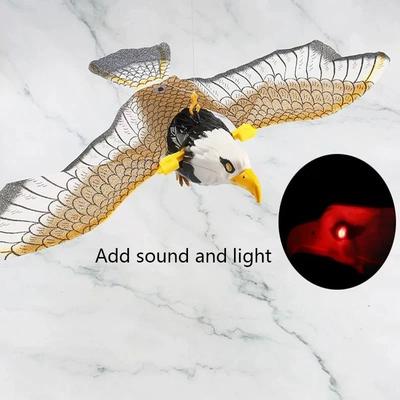
Inspired Finds Interactive Electric Flying Bird Cat Toy With Realistic Flapping Motion eagleBring the excitement of the outdoors inside with this engaging interactive cat toy designed to stimulate your cat's natural hunting instincts. Featuring a realistic flying bird design with flapping wings and lifelike movement, this toy captures your...34,99 $*Shipping: 0,00 $Secure redirect to the provider
-
Uplift Essentials Automatic Lifting Cat Toy Ball Interactive Electric Cat Toy With Smart Motion Sensor Replaceable Ball Automatic Lifting Cat Toy Ball Interactive Electric Cat Toy With Smart Motion Sensor Replaceable BallKeep your feline friend entertained all day with the Automatic Lifting Cat Toy Ball, the smart way to stimulate your cats hunting instincts and relieve boredom. Designed for independent play, this interactive electric toy clips onto desks, shelves,...41,97 $*Shipping: 0,00 $Secure redirect to the provider
-
Inspired Finds Interactive Electric Lifting Ball Cat Toy With Automatic Retractable Motion replace BallKeep your feline entertained with a smart and engaging interactive cat toy designed to stimulate natural hunting instincts. This innovative automatic cat ball toy features rotating movement and an automatic retractable teasing mechanism that creates...34,99 $*Shipping: 0,00 $Secure redirect to the provider
-
What does polyphony mean in a digital piano?
Polyphony in a digital piano refers to the number of individual notes or voices that the instrument can produce simultaneously. For example, if a digital piano has a polyphony of 64, it means that it can play up to 64 notes at the same time. This is important for more complex pieces of music that require multiple notes to be played at once, as a higher polyphony allows for a richer and more realistic sound. It is especially important for advanced players and composers who need to create intricate and layered compositions. **
-
What is Dutch vocal polyphony?
Dutch vocal polyphony is a style of music that emerged in the Netherlands during the Renaissance period. It is characterized by the use of multiple independent vocal lines, each with its own melody, rhythm, and text, creating rich harmonies and intricate textures. Dutch composers such as Jan Pieterszoon Sweelinck were known for their contributions to this genre, which was popular in both sacred and secular settings. The use of vocal polyphony allowed for a high level of expressiveness and complexity in the music, making it a significant part of the Dutch musical tradition. **
-
Can someone explain polyphony to me?
Polyphony is a musical texture that features two or more independent melodic lines played or sung simultaneously. Each line has its own rhythm and contour, and they interact with each other to create a rich and complex sound. Polyphony is often associated with Renaissance and Baroque music, and it requires a high level of skill and coordination from the performers to maintain the independence of the different voices. This texture contrasts with homophony, where all voices move together in harmony, and monophony, where there is only one melodic line. **
-
Can you explain the history of early polyphony?
Early polyphony emerged in Western music during the medieval period, around the 9th century. It involved the simultaneous singing of two or more independent melodic lines. Initially, early polyphony was primarily found in sacred music, particularly in Gregorian chant. Over time, composers began to experiment with adding additional voices and creating more complex harmonies, leading to the development of intricate polyphonic compositions. This marked a significant shift from the monophonic music of the early Middle Ages and laid the foundation for the rich polyphonic textures of the Renaissance period. **
Similar search terms for Polyphony
-
Uplift Picks Musical Dancing Duck Toy Electric Light Up Interactive Baby Toy Musical Dancing Duck Toy Electric Light Up Interactive Baby ToyBring smiles, movement, and music into playtime with this musical duck toy designed to entertain and engage young children. This electric interactive toy lights up, plays cheerful sounds, and dances to capture attention and encourage active play....88,00 $*Shipping: 0,00 $Secure redirect to the provider
-
Uplifted Finds Solar Pendant Light With Motion Sensor LED Digital Display single HeadIlluminate your outdoor or indoor spaces with this versatile solar pendant light featuring a builtin motion sensor, LED display, and remote control functionality. Designed for barn, garage, shed, or patio use, it works day or night and offers...760,97 $*Shipping: 0,00 $Secure redirect to the provider
-
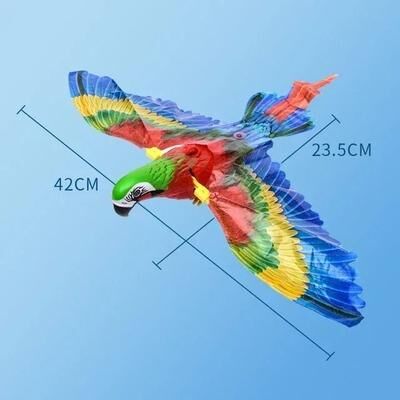
Inspired Finds Interactive Electric Flying Bird Cat Toy With Realistic Flapping Motion parrotBring the excitement of the outdoors inside with this engaging interactive cat toy designed to stimulate your cat's natural hunting instincts. Featuring a realistic flying bird design with flapping wings and lifelike movement, this toy captures your...34,99 $*Shipping: 0,00 $Secure redirect to the provider
-
Inspired Finds Interactive Electric Flying Bird Cat Toy With Realistic Flapping Motion eagle upgradedBring the excitement of the outdoors inside with this engaging interactive cat toy designed to stimulate your cat's natural hunting instincts. Featuring a realistic flying bird design with flapping wings and lifelike movement, this toy captures your...34,99 $*Shipping: 0,00 $Secure redirect to the provider
-
What is the difference between polyphony and homophony?
Polyphony is a musical texture where two or more independent melodic lines are played simultaneously. Each line has its own rhythm and melody, creating a complex and layered sound. Homophony, on the other hand, is a musical texture where all voices or instruments move together in harmony, supporting a single melody. In homophony, there is a clear distinction between the melody and the accompanying parts, creating a more unified and harmonious sound. **
-
What is the difference between homophony and polyphony?
Homophony is a musical texture in which a single melody is supported by a harmonic accompaniment, creating a clear distinction between the main melody and the supporting harmonies. Polyphony, on the other hand, is a musical texture in which two or more independent melodies are played or sung simultaneously, creating a more complex and layered sound. In homophony, all voices or instruments move together rhythmically, while in polyphony, each voice or instrument has its own rhythm and melodic independence. Overall, homophony emphasizes harmony and a clear main melody, while polyphony emphasizes the interplay of multiple independent melodies. **
-
What is the difference between polyphony and canon?
Polyphony refers to a musical texture where two or more independent melodic lines are played simultaneously. Each line has its own rhythm and melody, creating a rich and complex sound. On the other hand, a canon is a specific type of polyphonic composition where a melody is imitated by one or more voices at a fixed time interval. In a canon, the same melody is repeated by different voices, creating a layered and contrapuntal effect. While both polyphony and canon involve multiple independent voices, the key difference lies in the specific imitation of a melody in a canon. **
-
What is the difference between musical polyphony and counterpoint?
Musical polyphony refers to the simultaneous combination of two or more independent melodic lines, creating a texture where multiple voices are heard at the same time. Counterpoint, on the other hand, is the technique of writing music in which two or more melodic lines are interwoven and interact with each other. In other words, counterpoint is a specific method of creating polyphony, focusing on the relationship and interaction between the different melodic lines. While polyphony is a broader concept that encompasses any music with multiple independent voices, counterpoint specifically refers to the rules and techniques for writing and organizing those voices. **
* All prices are inclusive of VAT and, if applicable, plus shipping costs. The offer information is based on the details provided by the respective shop and is updated through automated processes. Real-time updates do not occur, so deviations can occur in individual cases. ** Note: Parts of this content were created by AI.