Buy electric-art.eu ?
We are moving the project
electric-art.eu .
Are you interested in purchasing the domain
electric-art.eu ?
domain@kv-gmbh.de · 0541-91531010
Buy electric-art.eu ?
When are ligands neutrally charged?
Ligands are neutrally charged when they have an equal number of positive and negative charges. This can occur when the ligand has a net charge of zero, such as in the case of water (H2O) or ammonia (NH3). Additionally, ligands can also be neutrally charged when they form coordinate covalent bonds with a metal ion, resulting in a neutral overall charge for the complex. **
What is the toughness of ligands?
The toughness of ligands refers to their ability to form stable coordination complexes with metal ions. Ligands with high toughness have strong bonds with the metal ion, making them less likely to dissociate from the complex. This property is important in determining the stability and reactivity of coordination complexes. Tough ligands are often used in catalysis and other applications where the complex needs to remain intact under harsh conditions. **


Similar search terms for Ligands
Top-Angebote
Products related to Ligands:
-
Uplift Essentials Automatic Lifting Cat Toy Ball Interactive Electric Cat Toy With Smart Motion Sensor Replaceable Ball Automatic Lifting Cat Toy Ball Interactive Electric Cat Toy With Smart Motion Sensor Replaceable BallKeep your feline friend entertained all day with the Automatic Lifting Cat Toy Ball, the smart way to stimulate your cats hunting instincts and relieve boredom. Designed for independent play, this interactive electric toy clips onto desks, shelves,...41,97 $*Shipping: 0,00 $Secure redirect to the provider
-
Inspired Finds Interactive Electric Lifting Ball Cat Toy With Automatic Retractable Motion replace BallKeep your feline entertained with a smart and engaging interactive cat toy designed to stimulate natural hunting instincts. This innovative automatic cat ball toy features rotating movement and an automatic retractable teasing mechanism that creates...34,99 $*Shipping: 0,00 $Secure redirect to the provider
-
Uplifted Finds Solar Pendant Light With Motion Sensor LED Digital Display single HeadIlluminate your outdoor or indoor spaces with this versatile solar pendant light featuring a builtin motion sensor, LED display, and remote control functionality. Designed for barn, garage, shed, or patio use, it works day or night and offers...760,97 $*Shipping: 0,00 $Secure redirect to the provider
-
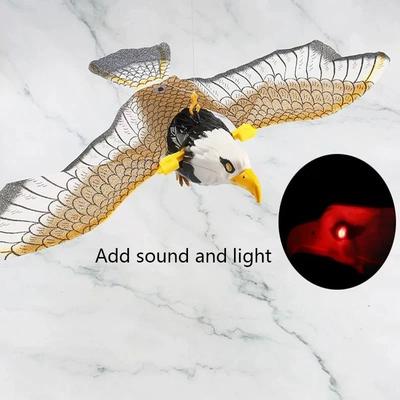
Inspired Finds Interactive Electric Flying Bird Cat Toy With Realistic Flapping Motion eagleBring the excitement of the outdoors inside with this engaging interactive cat toy designed to stimulate your cat's natural hunting instincts. Featuring a realistic flying bird design with flapping wings and lifelike movement, this toy captures your...34,99 $*Shipping: 0,00 $Secure redirect to the provider


-
What is the chelating ability of ligands?
The chelating ability of ligands refers to their ability to form coordination complexes by binding to a central metal ion through multiple donor atoms. Ligands with chelating ability can form more stable complexes compared to monodentate ligands because they can wrap around the metal ion, forming a ring-like structure known as a chelate. This chelate structure enhances the stability of the complex by reducing the chances of other molecules displacing the ligand from the metal ion. Chelating ligands are commonly used in various fields such as medicine, environmental science, and industrial chemistry due to their ability to form stable and selective complexes with metal ions. **
-
What is the structural formula of ligands?
The structural formula of ligands can vary depending on the specific ligand, but in general, ligands are molecules or ions that have one or more lone pairs of electrons that can be donated to a metal ion. The structural formula typically includes the arrangement of atoms and lone pairs of electrons that are available for coordination to the metal ion. Ligands can be classified as monodentate, bidentate, tridentate, etc., depending on the number of donor atoms they have available for coordination. Overall, the structural formula of ligands reflects their ability to form coordination complexes with metal ions. **
-
How can one determine the toughness of ligands?
The toughness of ligands can be determined by their ability to form stable complexes with metal ions. Ligands with multiple donor atoms and strong donor atoms, such as nitrogen, oxygen, and sulfur, are generally tougher than ligands with fewer or weaker donor atoms. Additionally, the size and charge of the ligand can also affect its toughness, with larger and negatively charged ligands typically being tougher. Experimentally, the toughness of ligands can be determined by measuring the stability constants of the metal-ligand complexes they form. **
-
What is the number of ligands in coordination chemistry?
The number of ligands in coordination chemistry refers to the number of donor atoms in a molecule or ion that can bond to a central metal atom. The number of ligands can vary depending on the coordination number of the central metal atom. Common coordination numbers include 2, 4, 6, and 8, which correspond to complexes with 2, 4, 6, or 8 ligands, respectively. The coordination number and the number of ligands determine the geometry and overall structure of the coordination complex. **

What is the number of ligands in complex chemistry?
The number of ligands in complex chemistry refers to the number of molecules or ions that are bonded to a central metal atom. The number of ligands can vary depending on the coordination number of the metal atom, which is the total number of bonds formed with the ligands. Common coordination numbers include 2, 4, 6, and so on, which correspond to the number of ligands bonded to the central metal atom. The coordination number and the number of ligands play a crucial role in determining the geometry and properties of coordination complexes. **
Which factors influence the exchange rate of ligands in the complex?
The exchange rate of ligands in a complex is influenced by several factors. One key factor is the strength of the bond between the ligand and the central metal ion. Stronger bonds typically result in slower exchange rates. Additionally, the steric hindrance around the metal center can affect the exchange rate, with bulky ligands hindering the exchange process. The nature of the solvent and the temperature of the system can also impact the exchange rate of ligands in a complex. **
Top-Angebote
Products related to Ligands:
-
Inspire Essentials GlowPounce Interactive Motion Light Ball For Cats GlowPounce Interactive Motion Light Ball For CatsTurn ordinary playtime into an exciting chase your cat will love with this interactive cat toy designed to keep pets active and entertained. The motion activated flashing lights instantly grab your cats attention, encouraging natural hunting,...34,98 $*Shipping: 0,00 $Secure redirect to the provider
-
Inspired Finds Interactive Electric Flying Bird Cat Toy With Realistic Flapping Motion parrotBring the excitement of the outdoors inside with this engaging interactive cat toy designed to stimulate your cat's natural hunting instincts. Featuring a realistic flying bird design with flapping wings and lifelike movement, this toy captures your...34,99 $*Shipping: 0,00 $Secure redirect to the provider
-
Uplift Essentials Automatic Lifting Cat Toy Ball Interactive Electric Cat Toy With Smart Motion Sensor Replaceable Ball Automatic Lifting Cat Toy Ball Interactive Electric Cat Toy With Smart Motion Sensor Replaceable BallKeep your feline friend entertained all day with the Automatic Lifting Cat Toy Ball, the smart way to stimulate your cats hunting instincts and relieve boredom. Designed for independent play, this interactive electric toy clips onto desks, shelves,...41,97 $*Shipping: 0,00 $Secure redirect to the provider
-
Inspired Finds Interactive Electric Lifting Ball Cat Toy With Automatic Retractable Motion replace BallKeep your feline entertained with a smart and engaging interactive cat toy designed to stimulate natural hunting instincts. This innovative automatic cat ball toy features rotating movement and an automatic retractable teasing mechanism that creates...34,99 $*Shipping: 0,00 $Secure redirect to the provider
-
When are ligands neutrally charged?
Ligands are neutrally charged when they have an equal number of positive and negative charges. This can occur when the ligand has a net charge of zero, such as in the case of water (H2O) or ammonia (NH3). Additionally, ligands can also be neutrally charged when they form coordinate covalent bonds with a metal ion, resulting in a neutral overall charge for the complex. **
-
What is the toughness of ligands?
The toughness of ligands refers to their ability to form stable coordination complexes with metal ions. Ligands with high toughness have strong bonds with the metal ion, making them less likely to dissociate from the complex. This property is important in determining the stability and reactivity of coordination complexes. Tough ligands are often used in catalysis and other applications where the complex needs to remain intact under harsh conditions. **
-
What is the chelating ability of ligands?
The chelating ability of ligands refers to their ability to form coordination complexes by binding to a central metal ion through multiple donor atoms. Ligands with chelating ability can form more stable complexes compared to monodentate ligands because they can wrap around the metal ion, forming a ring-like structure known as a chelate. This chelate structure enhances the stability of the complex by reducing the chances of other molecules displacing the ligand from the metal ion. Chelating ligands are commonly used in various fields such as medicine, environmental science, and industrial chemistry due to their ability to form stable and selective complexes with metal ions. **
-
What is the structural formula of ligands?
The structural formula of ligands can vary depending on the specific ligand, but in general, ligands are molecules or ions that have one or more lone pairs of electrons that can be donated to a metal ion. The structural formula typically includes the arrangement of atoms and lone pairs of electrons that are available for coordination to the metal ion. Ligands can be classified as monodentate, bidentate, tridentate, etc., depending on the number of donor atoms they have available for coordination. Overall, the structural formula of ligands reflects their ability to form coordination complexes with metal ions. **
Similar search terms for Ligands
-
Uplifted Finds Solar Pendant Light With Motion Sensor LED Digital Display single HeadIlluminate your outdoor or indoor spaces with this versatile solar pendant light featuring a builtin motion sensor, LED display, and remote control functionality. Designed for barn, garage, shed, or patio use, it works day or night and offers...760,97 $*Shipping: 0,00 $Secure redirect to the provider
-
Inspired Finds Interactive Electric Flying Bird Cat Toy With Realistic Flapping Motion eagleBring the excitement of the outdoors inside with this engaging interactive cat toy designed to stimulate your cat's natural hunting instincts. Featuring a realistic flying bird design with flapping wings and lifelike movement, this toy captures your...34,99 $*Shipping: 0,00 $Secure redirect to the provider
-
Inspired Finds Interactive Electric Flying Bird Cat Toy With Realistic Flapping Motion eagle upgradedBring the excitement of the outdoors inside with this engaging interactive cat toy designed to stimulate your cat's natural hunting instincts. Featuring a realistic flying bird design with flapping wings and lifelike movement, this toy captures your...34,99 $*Shipping: 0,00 $Secure redirect to the provider
-
Inspired Finds Interactive Electric Flying Bird Cat Toy With Realistic Flapping Motion parrot upgradedBring the excitement of the outdoors inside with this engaging interactive cat toy designed to stimulate your cat's natural hunting instincts. Featuring a realistic flying bird design with flapping wings and lifelike movement, this toy captures your...34,99 $*Shipping: 0,00 $Secure redirect to the provider
-
How can one determine the toughness of ligands?
The toughness of ligands can be determined by their ability to form stable complexes with metal ions. Ligands with multiple donor atoms and strong donor atoms, such as nitrogen, oxygen, and sulfur, are generally tougher than ligands with fewer or weaker donor atoms. Additionally, the size and charge of the ligand can also affect its toughness, with larger and negatively charged ligands typically being tougher. Experimentally, the toughness of ligands can be determined by measuring the stability constants of the metal-ligand complexes they form. **
-
What is the number of ligands in coordination chemistry?
The number of ligands in coordination chemistry refers to the number of donor atoms in a molecule or ion that can bond to a central metal atom. The number of ligands can vary depending on the coordination number of the central metal atom. Common coordination numbers include 2, 4, 6, and 8, which correspond to complexes with 2, 4, 6, or 8 ligands, respectively. The coordination number and the number of ligands determine the geometry and overall structure of the coordination complex. **
-
What is the number of ligands in complex chemistry?
The number of ligands in complex chemistry refers to the number of molecules or ions that are bonded to a central metal atom. The number of ligands can vary depending on the coordination number of the metal atom, which is the total number of bonds formed with the ligands. Common coordination numbers include 2, 4, 6, and so on, which correspond to the number of ligands bonded to the central metal atom. The coordination number and the number of ligands play a crucial role in determining the geometry and properties of coordination complexes. **
-
Which factors influence the exchange rate of ligands in the complex?
The exchange rate of ligands in a complex is influenced by several factors. One key factor is the strength of the bond between the ligand and the central metal ion. Stronger bonds typically result in slower exchange rates. Additionally, the steric hindrance around the metal center can affect the exchange rate, with bulky ligands hindering the exchange process. The nature of the solvent and the temperature of the system can also impact the exchange rate of ligands in a complex. **
* All prices are inclusive of VAT and, if applicable, plus shipping costs. The offer information is based on the details provided by the respective shop and is updated through automated processes. Real-time updates do not occur, so deviations can occur in individual cases. ** Note: Parts of this content were created by AI.