Buy electric-art.eu ?
We are moving the project
electric-art.eu .
Are you interested in purchasing the domain
electric-art.eu ?
domain@kv-gmbh.de · 0541-91531010
Buy electric-art.eu ?
What is the deontological perspective?
The deontological perspective is an ethical theory that focuses on the inherent rightness or wrongness of actions themselves, rather than the consequences of those actions. It is based on the idea that certain actions are morally obligatory regardless of their outcomes. Deontologists believe that individuals have a duty to follow certain moral rules or principles, such as honesty or respecting others' autonomy, regardless of the potential benefits or harms that may result. This perspective is often associated with philosophers like Immanuel Kant, who argued that moral principles are universal and apply to all rational beings. **
What is meant by deontological and teleological?
Deontological ethics is an ethical theory that focuses on the inherent rightness or wrongness of actions themselves, rather than the consequences of those actions. It emphasizes the importance of following moral rules and duties, regardless of the outcomes. On the other hand, teleological ethics, also known as consequentialism, is an ethical theory that evaluates the morality of actions based on their outcomes or consequences. It emphasizes the idea that the rightness or wrongness of an action is determined by the overall good or bad results it produces. In summary, deontological ethics focuses on the inherent nature of actions, while teleological ethics focuses on the outcomes of actions. **


Similar search terms for Deontological
Top-Angebote
Products related to Deontological:
-
Uplift Essentials Automatic Lifting Cat Toy Ball Interactive Electric Cat Toy With Smart Motion Sensor Replaceable Ball Automatic Lifting Cat Toy Ball Interactive Electric Cat Toy With Smart Motion Sensor Replaceable BallKeep your feline friend entertained all day with the Automatic Lifting Cat Toy Ball, the smart way to stimulate your cats hunting instincts and relieve boredom. Designed for independent play, this interactive electric toy clips onto desks, shelves,...41,97 $*Shipping: 0,00 $Secure redirect to the provider
-
Inspired Finds Interactive Electric Lifting Ball Cat Toy With Automatic Retractable Motion replace BallKeep your feline entertained with a smart and engaging interactive cat toy designed to stimulate natural hunting instincts. This innovative automatic cat ball toy features rotating movement and an automatic retractable teasing mechanism that creates...34,99 $*Shipping: 0,00 $Secure redirect to the provider
-
Uplift Picks Musical Dancing Duck Toy Electric Light Up Interactive Baby Toy Musical Dancing Duck Toy Electric Light Up Interactive Baby ToyBring smiles, movement, and music into playtime with this musical duck toy designed to entertain and engage young children. This electric interactive toy lights up, plays cheerful sounds, and dances to capture attention and encourage active play....88,00 $*Shipping: 0,00 $Secure redirect to the provider
-
Uplifted Finds Solar Pendant Light With Motion Sensor LED Digital Display single HeadIlluminate your outdoor or indoor spaces with this versatile solar pendant light featuring a builtin motion sensor, LED display, and remote control functionality. Designed for barn, garage, shed, or patio use, it works day or night and offers...760,97 $*Shipping: 0,00 $Secure redirect to the provider




-
Does Kant's deontological ethics contradict Aristotle's eudaemonistic ethics?
Kant's deontological ethics and Aristotle's eudaemonistic ethics have some fundamental differences, but they do not necessarily contradict each other. Kant's ethics focus on duty and the intention behind actions, while Aristotle's ethics emphasize achieving eudaimonia, or human flourishing, through virtuous actions. While Kant's emphasis on duty can sometimes conflict with Aristotle's emphasis on virtue, both ethical theories ultimately aim to guide individuals towards leading a good and moral life. Therefore, while they may approach ethics from different perspectives, they can be seen as complementary rather than contradictory. **
-
Does discourse ethics have a teleological or deontological approach?
Discourse ethics is primarily associated with a deontological approach. It focuses on the principles of communication and interaction between individuals, emphasizing the importance of ethical norms and rules in guiding discourse. The goal is to ensure that communication is based on mutual respect, equality, and rationality, rather than aiming towards a specific outcome or goal. By prioritizing the ethical principles of communication, discourse ethics aims to create a fair and just dialogue among participants. **
-
What is the difference between deontological ethics and utilitarianism?
Deontological ethics is an ethical theory that focuses on the inherent rightness or wrongness of actions themselves, regardless of their consequences. It emphasizes the importance of following moral rules and duties, such as telling the truth or keeping promises, regardless of the outcomes. On the other hand, utilitarianism is a consequentialist ethical theory that evaluates the morality of actions based on their outcomes. It prioritizes maximizing overall happiness or well-being for the greatest number of people, often through the calculation of benefits and harms. In summary, deontological ethics emphasizes the inherent morality of actions, while utilitarianism focuses on the consequences of actions. **
-
Is deontological ethics exactly the same as the categorical imperative?
Deontological ethics is a broader ethical theory that states that actions are inherently right or wrong, regardless of their consequences. The categorical imperative, on the other hand, is a specific formulation within deontological ethics proposed by Immanuel Kant. While the categorical imperative is a key component of deontological ethics, deontological ethics encompasses a wider range of principles and theories beyond just the categorical imperative. **

What are the differences between deontological ethics and utilitarian ethics?
Deontological ethics, also known as duty-based ethics, focuses on the inherent rightness or wrongness of actions themselves, regardless of their consequences. It emphasizes following moral rules and duties, such as telling the truth or keeping promises, based on principles like the categorical imperative. On the other hand, utilitarian ethics, also known as consequentialist ethics, prioritizes the outcomes or consequences of actions. It aims to maximize overall happiness or well-being for the greatest number of people, often through the calculation of benefits and harms. While deontological ethics emphasizes duty and rules, utilitarian ethics prioritizes the greatest good for the greatest number. **
What is the difference between deontological ethics and utilitarian ethics?
Deontological ethics, also known as duty-based ethics, focuses on the inherent rightness or wrongness of actions themselves, regardless of their consequences. This means that certain actions are considered morally right or wrong based on whether they adhere to a set of rules or principles. On the other hand, utilitarian ethics, also known as consequentialist ethics, evaluates the morality of actions based on their outcomes or consequences. In utilitarianism, the rightness or wrongness of an action is determined by its ability to produce the greatest overall happiness or pleasure for the greatest number of people. **
Top-Angebote
Products related to Deontological:
-
Inspire Essentials GlowPounce Interactive Motion Light Ball For Cats GlowPounce Interactive Motion Light Ball For CatsTurn ordinary playtime into an exciting chase your cat will love with this interactive cat toy designed to keep pets active and entertained. The motion activated flashing lights instantly grab your cats attention, encouraging natural hunting,...34,98 $*Shipping: 0,00 $Secure redirect to the provider
-
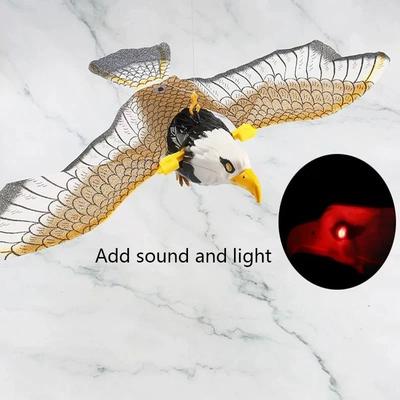
Inspired Finds Interactive Electric Flying Bird Cat Toy With Realistic Flapping Motion eagleBring the excitement of the outdoors inside with this engaging interactive cat toy designed to stimulate your cat's natural hunting instincts. Featuring a realistic flying bird design with flapping wings and lifelike movement, this toy captures your...34,99 $*Shipping: 0,00 $Secure redirect to the provider
-
Uplift Essentials Automatic Lifting Cat Toy Ball Interactive Electric Cat Toy With Smart Motion Sensor Replaceable Ball Automatic Lifting Cat Toy Ball Interactive Electric Cat Toy With Smart Motion Sensor Replaceable BallKeep your feline friend entertained all day with the Automatic Lifting Cat Toy Ball, the smart way to stimulate your cats hunting instincts and relieve boredom. Designed for independent play, this interactive electric toy clips onto desks, shelves,...41,97 $*Shipping: 0,00 $Secure redirect to the provider
-
Inspired Finds Interactive Electric Lifting Ball Cat Toy With Automatic Retractable Motion replace BallKeep your feline entertained with a smart and engaging interactive cat toy designed to stimulate natural hunting instincts. This innovative automatic cat ball toy features rotating movement and an automatic retractable teasing mechanism that creates...34,99 $*Shipping: 0,00 $Secure redirect to the provider
-
What is the deontological perspective?
The deontological perspective is an ethical theory that focuses on the inherent rightness or wrongness of actions themselves, rather than the consequences of those actions. It is based on the idea that certain actions are morally obligatory regardless of their outcomes. Deontologists believe that individuals have a duty to follow certain moral rules or principles, such as honesty or respecting others' autonomy, regardless of the potential benefits or harms that may result. This perspective is often associated with philosophers like Immanuel Kant, who argued that moral principles are universal and apply to all rational beings. **
-
What is meant by deontological and teleological?
Deontological ethics is an ethical theory that focuses on the inherent rightness or wrongness of actions themselves, rather than the consequences of those actions. It emphasizes the importance of following moral rules and duties, regardless of the outcomes. On the other hand, teleological ethics, also known as consequentialism, is an ethical theory that evaluates the morality of actions based on their outcomes or consequences. It emphasizes the idea that the rightness or wrongness of an action is determined by the overall good or bad results it produces. In summary, deontological ethics focuses on the inherent nature of actions, while teleological ethics focuses on the outcomes of actions. **
-
Does Kant's deontological ethics contradict Aristotle's eudaemonistic ethics?
Kant's deontological ethics and Aristotle's eudaemonistic ethics have some fundamental differences, but they do not necessarily contradict each other. Kant's ethics focus on duty and the intention behind actions, while Aristotle's ethics emphasize achieving eudaimonia, or human flourishing, through virtuous actions. While Kant's emphasis on duty can sometimes conflict with Aristotle's emphasis on virtue, both ethical theories ultimately aim to guide individuals towards leading a good and moral life. Therefore, while they may approach ethics from different perspectives, they can be seen as complementary rather than contradictory. **
-
Does discourse ethics have a teleological or deontological approach?
Discourse ethics is primarily associated with a deontological approach. It focuses on the principles of communication and interaction between individuals, emphasizing the importance of ethical norms and rules in guiding discourse. The goal is to ensure that communication is based on mutual respect, equality, and rationality, rather than aiming towards a specific outcome or goal. By prioritizing the ethical principles of communication, discourse ethics aims to create a fair and just dialogue among participants. **
Similar search terms for Deontological
-
Uplift Picks Musical Dancing Duck Toy Electric Light Up Interactive Baby Toy Musical Dancing Duck Toy Electric Light Up Interactive Baby ToyBring smiles, movement, and music into playtime with this musical duck toy designed to entertain and engage young children. This electric interactive toy lights up, plays cheerful sounds, and dances to capture attention and encourage active play....88,00 $*Shipping: 0,00 $Secure redirect to the provider
-
Uplifted Finds Solar Pendant Light With Motion Sensor LED Digital Display single HeadIlluminate your outdoor or indoor spaces with this versatile solar pendant light featuring a builtin motion sensor, LED display, and remote control functionality. Designed for barn, garage, shed, or patio use, it works day or night and offers...760,97 $*Shipping: 0,00 $Secure redirect to the provider
-
Inspired Finds Interactive Electric Flying Bird Cat Toy With Realistic Flapping Motion parrotBring the excitement of the outdoors inside with this engaging interactive cat toy designed to stimulate your cat's natural hunting instincts. Featuring a realistic flying bird design with flapping wings and lifelike movement, this toy captures your...34,99 $*Shipping: 0,00 $Secure redirect to the provider
-
Inspired Finds Interactive Electric Flying Bird Cat Toy With Realistic Flapping Motion eagle upgradedBring the excitement of the outdoors inside with this engaging interactive cat toy designed to stimulate your cat's natural hunting instincts. Featuring a realistic flying bird design with flapping wings and lifelike movement, this toy captures your...34,99 $*Shipping: 0,00 $Secure redirect to the provider
-
What is the difference between deontological ethics and utilitarianism?
Deontological ethics is an ethical theory that focuses on the inherent rightness or wrongness of actions themselves, regardless of their consequences. It emphasizes the importance of following moral rules and duties, such as telling the truth or keeping promises, regardless of the outcomes. On the other hand, utilitarianism is a consequentialist ethical theory that evaluates the morality of actions based on their outcomes. It prioritizes maximizing overall happiness or well-being for the greatest number of people, often through the calculation of benefits and harms. In summary, deontological ethics emphasizes the inherent morality of actions, while utilitarianism focuses on the consequences of actions. **
-
Is deontological ethics exactly the same as the categorical imperative?
Deontological ethics is a broader ethical theory that states that actions are inherently right or wrong, regardless of their consequences. The categorical imperative, on the other hand, is a specific formulation within deontological ethics proposed by Immanuel Kant. While the categorical imperative is a key component of deontological ethics, deontological ethics encompasses a wider range of principles and theories beyond just the categorical imperative. **
-
What are the differences between deontological ethics and utilitarian ethics?
Deontological ethics, also known as duty-based ethics, focuses on the inherent rightness or wrongness of actions themselves, regardless of their consequences. It emphasizes following moral rules and duties, such as telling the truth or keeping promises, based on principles like the categorical imperative. On the other hand, utilitarian ethics, also known as consequentialist ethics, prioritizes the outcomes or consequences of actions. It aims to maximize overall happiness or well-being for the greatest number of people, often through the calculation of benefits and harms. While deontological ethics emphasizes duty and rules, utilitarian ethics prioritizes the greatest good for the greatest number. **
-
What is the difference between deontological ethics and utilitarian ethics?
Deontological ethics, also known as duty-based ethics, focuses on the inherent rightness or wrongness of actions themselves, regardless of their consequences. This means that certain actions are considered morally right or wrong based on whether they adhere to a set of rules or principles. On the other hand, utilitarian ethics, also known as consequentialist ethics, evaluates the morality of actions based on their outcomes or consequences. In utilitarianism, the rightness or wrongness of an action is determined by its ability to produce the greatest overall happiness or pleasure for the greatest number of people. **
* All prices are inclusive of VAT and, if applicable, plus shipping costs. The offer information is based on the details provided by the respective shop and is updated through automated processes. Real-time updates do not occur, so deviations can occur in individual cases. ** Note: Parts of this content were created by AI.