Buy electric-art.eu ?
We are moving the project
electric-art.eu .
Are you interested in purchasing the domain
electric-art.eu ?
domain@kv-gmbh.de · 0541-91531010
Buy electric-art.eu ?
What do you think of North Dakota?
North Dakota is a beautiful state with vast open spaces and stunning natural landscapes. The state is known for its friendly people and strong sense of community. North Dakota also has a rich cultural heritage, with a strong Native American presence and a history of Scandinavian and German immigration. Overall, North Dakota is a great place to visit for outdoor enthusiasts and those interested in experiencing the unique culture of the northern plains. **
What are electric fields?
Electric fields are regions of space around charged particles where other charged particles experience a force. They are created by electric charges and can be either positive or negative. The strength of an electric field is determined by the magnitude of the charges creating it and the distance between them. Electric fields play a crucial role in understanding and predicting the behavior of charged particles in various physical systems. **


Similar search terms for Dakota-Fields-Catrenia-Polyethylene
Top-Angebote
Products related to Dakota-Fields-Catrenia-Polyethylene:


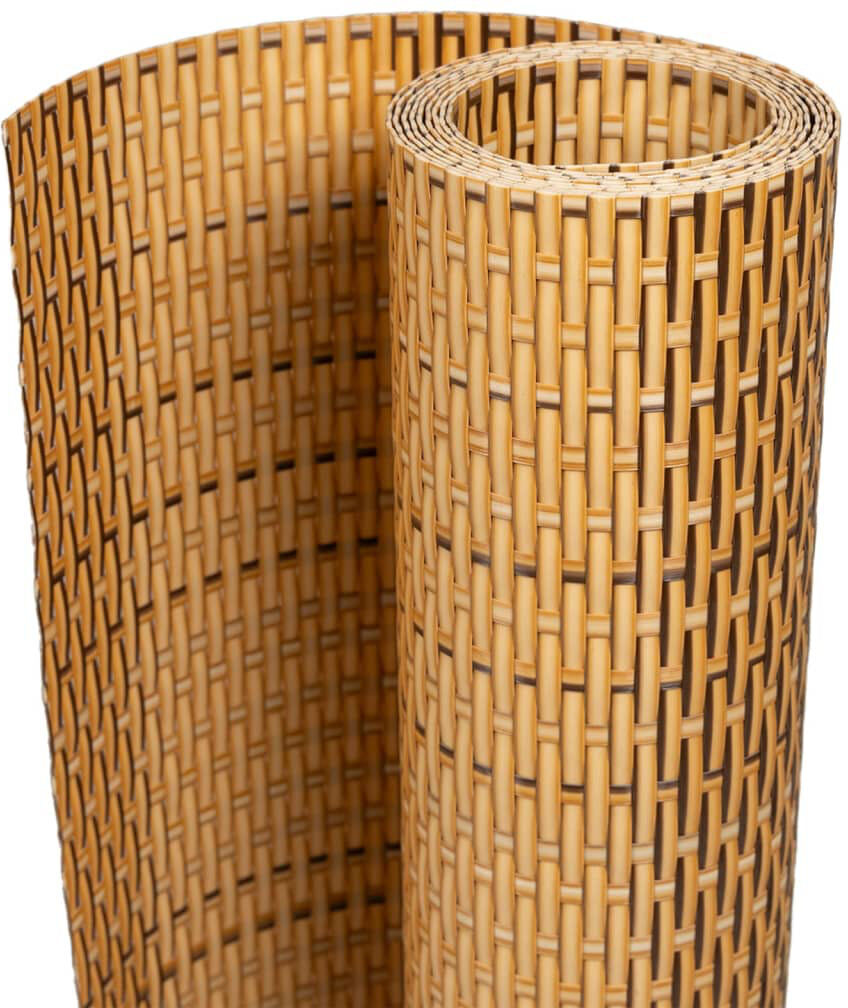

-
How does polyethylene evaporate?
Polyethylene does not evaporate in the traditional sense because it is a thermoplastic polymer. Instead, when heated to its melting point, polyethylene becomes a viscous liquid that can be molded into different shapes. However, if polyethylene is exposed to high temperatures for an extended period of time, it can degrade and release volatile organic compounds, which can be considered a form of evaporation. Overall, polyethylene does not evaporate like a liquid, but it can release gases when subjected to extreme heat. **
-
Is polyethylene an alkane?
Yes, polyethylene is an alkane. It is a polymer made up of repeating ethylene monomer units, which is a simple alkene. Alkanes are hydrocarbons with single bonds between carbon atoms, and polyethylene fits this description as it consists of a long chain of carbon atoms with single bonds. Therefore, polyethylene is classified as an alkane. **
-
Is polyethylene UV-permeable?
No, polyethylene is not UV-permeable. It is actually UV-resistant, which means it is able to block or absorb UV radiation. This property makes polyethylene a popular material for outdoor applications such as plastic bags, water tanks, and outdoor furniture, as it helps to protect the contents from the damaging effects of UV radiation. **
-
How do you melt polyethylene?
To melt polyethylene, you can use a heat source such as a hot plate or a heat gun. Place the polyethylene in a heat-resistant container and apply heat gradually, stirring the polyethylene occasionally to ensure even melting. It's important to monitor the temperature to prevent overheating and potential degradation of the polyethylene. Once the polyethylene has melted into a liquid state, it can be poured or molded into the desired shape and allowed to cool and solidify. **


Can polyethylene (PE) be painted?
Yes, polyethylene (PE) can be painted, but it requires special preparation. Since PE is a non-porous material, it does not readily accept paint. To successfully paint PE, it is important to first clean the surface thoroughly and then apply a primer specifically designed for use on plastic surfaces. Once the primer has been applied and allowed to dry, a compatible paint can be used to achieve the desired color and finish. It is important to follow the manufacturer's instructions for both the primer and paint to ensure proper adhesion and durability. **
How can one paint on polyethylene?
To paint on polyethylene, it is important to first clean the surface thoroughly to remove any dirt or residue. Next, it is recommended to lightly sand the polyethylene to create a rough surface that will help the paint adhere better. Using a primer specifically designed for plastic surfaces can also help the paint adhere properly. Finally, choose a paint that is suitable for plastic materials, such as acrylic or spray paint, and apply thin, even coats to achieve the desired finish. **
Top-Angebote
Products related to Dakota-Fields-Catrenia-Polyethylene:
-
What do you think of North Dakota?
North Dakota is a beautiful state with vast open spaces and stunning natural landscapes. The state is known for its friendly people and strong sense of community. North Dakota also has a rich cultural heritage, with a strong Native American presence and a history of Scandinavian and German immigration. Overall, North Dakota is a great place to visit for outdoor enthusiasts and those interested in experiencing the unique culture of the northern plains. **
-
What are electric fields?
Electric fields are regions of space around charged particles where other charged particles experience a force. They are created by electric charges and can be either positive or negative. The strength of an electric field is determined by the magnitude of the charges creating it and the distance between them. Electric fields play a crucial role in understanding and predicting the behavior of charged particles in various physical systems. **
-
How does polyethylene evaporate?
Polyethylene does not evaporate in the traditional sense because it is a thermoplastic polymer. Instead, when heated to its melting point, polyethylene becomes a viscous liquid that can be molded into different shapes. However, if polyethylene is exposed to high temperatures for an extended period of time, it can degrade and release volatile organic compounds, which can be considered a form of evaporation. Overall, polyethylene does not evaporate like a liquid, but it can release gases when subjected to extreme heat. **
-
Is polyethylene an alkane?
Yes, polyethylene is an alkane. It is a polymer made up of repeating ethylene monomer units, which is a simple alkene. Alkanes are hydrocarbons with single bonds between carbon atoms, and polyethylene fits this description as it consists of a long chain of carbon atoms with single bonds. Therefore, polyethylene is classified as an alkane. **
Similar search terms for Dakota-Fields-Catrenia-Polyethylene
-
Is polyethylene UV-permeable?
No, polyethylene is not UV-permeable. It is actually UV-resistant, which means it is able to block or absorb UV radiation. This property makes polyethylene a popular material for outdoor applications such as plastic bags, water tanks, and outdoor furniture, as it helps to protect the contents from the damaging effects of UV radiation. **
-
How do you melt polyethylene?
To melt polyethylene, you can use a heat source such as a hot plate or a heat gun. Place the polyethylene in a heat-resistant container and apply heat gradually, stirring the polyethylene occasionally to ensure even melting. It's important to monitor the temperature to prevent overheating and potential degradation of the polyethylene. Once the polyethylene has melted into a liquid state, it can be poured or molded into the desired shape and allowed to cool and solidify. **
-
Can polyethylene (PE) be painted?
Yes, polyethylene (PE) can be painted, but it requires special preparation. Since PE is a non-porous material, it does not readily accept paint. To successfully paint PE, it is important to first clean the surface thoroughly and then apply a primer specifically designed for use on plastic surfaces. Once the primer has been applied and allowed to dry, a compatible paint can be used to achieve the desired color and finish. It is important to follow the manufacturer's instructions for both the primer and paint to ensure proper adhesion and durability. **
-
How can one paint on polyethylene?
To paint on polyethylene, it is important to first clean the surface thoroughly to remove any dirt or residue. Next, it is recommended to lightly sand the polyethylene to create a rough surface that will help the paint adhere better. Using a primer specifically designed for plastic surfaces can also help the paint adhere properly. Finally, choose a paint that is suitable for plastic materials, such as acrylic or spray paint, and apply thin, even coats to achieve the desired finish. **
* All prices are inclusive of VAT and, if applicable, plus shipping costs. The offer information is based on the details provided by the respective shop and is updated through automated processes. Real-time updates do not occur, so deviations can occur in individual cases. ** Note: Parts of this content were created by AI.