Buy electric-art.eu ?
We are moving the project
electric-art.eu .
Are you interested in purchasing the domain
electric-art.eu ?
domain@kv-gmbh.de · 0541-91531010
Buy electric-art.eu ?
Is artistic talent necessary for studying art?
Artistic talent is not necessarily a requirement for studying art. While having natural talent can be beneficial, studying art can help individuals develop their skills and techniques over time. With dedication, practice, and guidance from experienced instructors, anyone can learn and improve their artistic abilities. Studying art can also provide a deeper understanding of art history, theory, and different artistic styles, which can enhance one's appreciation and interpretation of art. **
What are the artistic techniques of Pop Art?
Pop Art is characterized by its use of bold colors, popular culture imagery, and a sense of irony or satire. Artists often incorporate elements from mass media, advertising, and consumer products into their work. Techniques such as collage, screen printing, and the use of bright, flat colors are commonly used in Pop Art to create visually striking and accessible pieces that reflect the vibrant and commercialized culture of the 1960s. Additionally, repetition and the appropriation of existing images are key techniques in Pop Art, challenging traditional notions of originality and authenticity in art. **

Similar search terms for Artistic
Top-Angebote
Products related to Artistic:
-
Uplifted Finds Luxe Ginkgo Leaf Artistic Wall Clock Luxe Ginkgo Leaf Artistic Wall ClockElevate your homes aesthetic with this Creative Luxury Wall Clock, a stunning fusion of functional timekeeping and highend wall art. Inspired by the timeless elegance of the ginkgo biloba leafa symbol of longevity and endurancethis largescale...189,97 $*Shipping: 0,00 $Secure redirect to the provider

-
What were the artistic intentions in performance art?
Performance art was intended to challenge traditional forms of art by breaking down the boundaries between art and everyday life. Artists sought to create experiences that were immediate, visceral, and often confrontational, aiming to provoke emotional and intellectual responses from the audience. Performance art also aimed to blur the distinction between the artist and the artwork, often incorporating the artist's own body and actions as the medium of expression. Overall, the intention was to push the boundaries of what could be considered art and to engage the audience in a more direct and participatory way. **
-
What does the autonomy of artistic design mean in art?
The autonomy of artistic design in art refers to the freedom and independence that artists have in creating their work without external influence or constraints. It allows artists to express their unique vision, ideas, and emotions through their creative process, without being dictated by societal norms or expectations. This autonomy enables artists to explore new techniques, styles, and concepts, pushing the boundaries of traditional art forms and contributing to the diversity and richness of the art world. Ultimately, the autonomy of artistic design empowers artists to create meaningful and impactful works that reflect their individuality and creativity. **
-
What does the autonomy of artistic creation mean in art?
The autonomy of artistic creation in art refers to the idea that artists have the freedom and independence to create their work without external constraints or influences. It allows artists to express their unique vision, ideas, and emotions without being dictated by societal norms, trends, or expectations. This autonomy enables artists to explore new concepts, experiment with different techniques, and push the boundaries of creativity, resulting in original and innovative artworks that reflect their individuality and artistic voice. **
-
What are artistic means and media in relation to art?
Artistic means refer to the techniques, methods, and tools that artists use to create their work, such as painting, sculpture, or photography. On the other hand, artistic media are the materials or substances used by artists to create their art, such as oil paint, clay, or digital software. Together, artistic means and media play a crucial role in the creative process, allowing artists to express their ideas and emotions in a tangible form. **


Do you need artistic talent for a degree in art?
While having artistic talent can be beneficial for a degree in art, it is not always a requirement. Many art programs focus on developing technical skills, critical thinking, and creativity, which can be learned and honed over time. Students who are passionate about art and willing to put in the effort can succeed in an art degree program, regardless of their initial level of artistic talent. Ultimately, dedication, hard work, and a willingness to learn are often more important than innate talent in pursuing a degree in art. **
Does one need artistic talent for a degree in art?
While having artistic talent can certainly be beneficial for pursuing a degree in art, it is not always a requirement. Art programs often focus on developing technical skills, critical thinking, and creativity, which can be cultivated through practice and dedication. Many successful artists have honed their skills through education and hard work, even if they did not possess innate artistic talent. Ultimately, passion and commitment to the craft can be just as important as natural talent in pursuing a degree in art. **
Top-Angebote
Products related to Artistic:
-
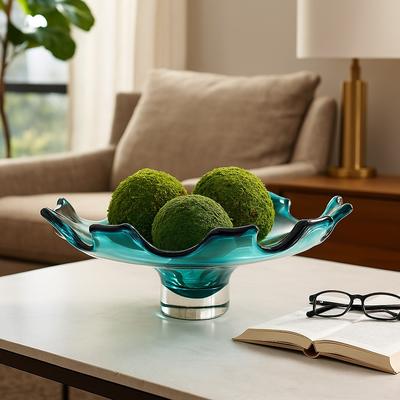
Sagebrook Home "Artistic Abstract Glass Decorative Bowl - 14"", Blue & Green - 14.0"""Make a splash on any surface with this artisan-inspired glass bowl, a striking tabletop decoration in refreshing blue-green tones that echo coastal waters.91,15 $*Shipping: 0,00 $Secure redirect to the provider
-
Is artistic talent necessary for studying art?
Artistic talent is not necessarily a requirement for studying art. While having natural talent can be beneficial, studying art can help individuals develop their skills and techniques over time. With dedication, practice, and guidance from experienced instructors, anyone can learn and improve their artistic abilities. Studying art can also provide a deeper understanding of art history, theory, and different artistic styles, which can enhance one's appreciation and interpretation of art. **
-
What are the artistic techniques of Pop Art?
Pop Art is characterized by its use of bold colors, popular culture imagery, and a sense of irony or satire. Artists often incorporate elements from mass media, advertising, and consumer products into their work. Techniques such as collage, screen printing, and the use of bright, flat colors are commonly used in Pop Art to create visually striking and accessible pieces that reflect the vibrant and commercialized culture of the 1960s. Additionally, repetition and the appropriation of existing images are key techniques in Pop Art, challenging traditional notions of originality and authenticity in art. **
-
What were the artistic intentions in performance art?
Performance art was intended to challenge traditional forms of art by breaking down the boundaries between art and everyday life. Artists sought to create experiences that were immediate, visceral, and often confrontational, aiming to provoke emotional and intellectual responses from the audience. Performance art also aimed to blur the distinction between the artist and the artwork, often incorporating the artist's own body and actions as the medium of expression. Overall, the intention was to push the boundaries of what could be considered art and to engage the audience in a more direct and participatory way. **
-
What does the autonomy of artistic design mean in art?
The autonomy of artistic design in art refers to the freedom and independence that artists have in creating their work without external influence or constraints. It allows artists to express their unique vision, ideas, and emotions through their creative process, without being dictated by societal norms or expectations. This autonomy enables artists to explore new techniques, styles, and concepts, pushing the boundaries of traditional art forms and contributing to the diversity and richness of the art world. Ultimately, the autonomy of artistic design empowers artists to create meaningful and impactful works that reflect their individuality and creativity. **
Similar search terms for Artistic
-
Uplifted Finds Luxe Ginkgo Leaf Artistic Wall Clock Luxe Ginkgo Leaf Artistic Wall ClockElevate your homes aesthetic with this Creative Luxury Wall Clock, a stunning fusion of functional timekeeping and highend wall art. Inspired by the timeless elegance of the ginkgo biloba leafa symbol of longevity and endurancethis largescale...189,97 $*Shipping: 0,00 $Secure redirect to the provider
-
What does the autonomy of artistic creation mean in art?
The autonomy of artistic creation in art refers to the idea that artists have the freedom and independence to create their work without external constraints or influences. It allows artists to express their unique vision, ideas, and emotions without being dictated by societal norms, trends, or expectations. This autonomy enables artists to explore new concepts, experiment with different techniques, and push the boundaries of creativity, resulting in original and innovative artworks that reflect their individuality and artistic voice. **
-
What are artistic means and media in relation to art?
Artistic means refer to the techniques, methods, and tools that artists use to create their work, such as painting, sculpture, or photography. On the other hand, artistic media are the materials or substances used by artists to create their art, such as oil paint, clay, or digital software. Together, artistic means and media play a crucial role in the creative process, allowing artists to express their ideas and emotions in a tangible form. **
-
Do you need artistic talent for a degree in art?
While having artistic talent can be beneficial for a degree in art, it is not always a requirement. Many art programs focus on developing technical skills, critical thinking, and creativity, which can be learned and honed over time. Students who are passionate about art and willing to put in the effort can succeed in an art degree program, regardless of their initial level of artistic talent. Ultimately, dedication, hard work, and a willingness to learn are often more important than innate talent in pursuing a degree in art. **
-
Does one need artistic talent for a degree in art?
While having artistic talent can certainly be beneficial for pursuing a degree in art, it is not always a requirement. Art programs often focus on developing technical skills, critical thinking, and creativity, which can be cultivated through practice and dedication. Many successful artists have honed their skills through education and hard work, even if they did not possess innate artistic talent. Ultimately, passion and commitment to the craft can be just as important as natural talent in pursuing a degree in art. **
* All prices are inclusive of VAT and, if applicable, plus shipping costs. The offer information is based on the details provided by the respective shop and is updated through automated processes. Real-time updates do not occur, so deviations can occur in individual cases. ** Note: Parts of this content were created by AI.